
Design Principles That Maximize Natural Light & Views | Apex Homes Florida

One of the most transformative elements in a luxury custom home isn’t a particular finish or architectural style.
It’s light.
Natural light has a remarkable ability to shape how a home feels throughout the day. It creates warmth in the morning, highlights architectural details in the afternoon, and softens spaces as evening approaches.
In regions like Jacksonville and Northeast Florida, where we enjoy abundant sunshine and beautiful coastal landscapes, thoughtful architectural design can dramatically enhance how natural light enters the home and how views are experienced from inside.
After more than 25 years building custom homes, I’ve seen how the most memorable homes are often those where architecture works in harmony with the surrounding environment. When designed thoughtfully, the home doesn’t just sit on the property—it engages with it.
Designing the Home Around the Property
Maximizing natural light and views begins with understanding the homesite itself. The orientation of the property, the position of nearby trees, water features, or marsh views, and the path of the sun across the sky all influence how a home should be positioned.
Instead of designing the house first and placing it on the lot afterward, many successful projects begin with evaluating how the home can respond to its surroundings.
Large windows may face toward waterfront views or private landscapes, while service areas and garages may be positioned on less visually important sides of the property.
This site-sensitive approach allows the home to capture the best views while still maintaining privacy where needed.
If you're considering building on your own property, understanding the site early in the process can be extremely helpful.

Window Placement Matters More Than Window Size
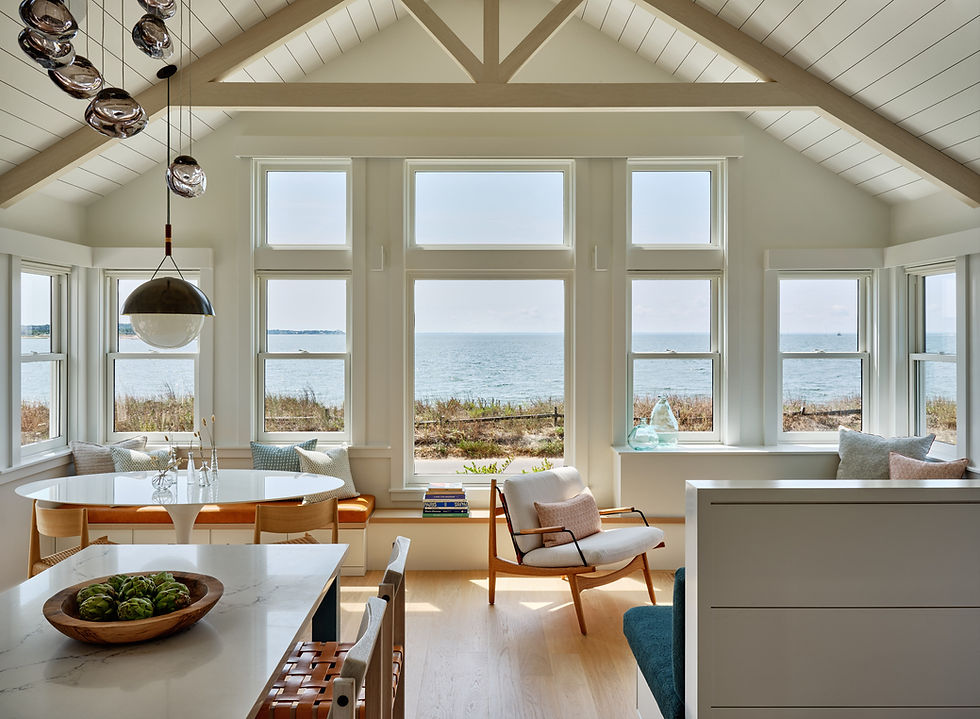
Many people assume that maximizing natural light simply means adding larger windows. In reality, placement often matters more than size. Windows positioned to capture morning or afternoon light can illuminate interior spaces in ways that feel both natural and dynamic.
Higher clerestory windows can bring light deeper into a room while maintaining privacy. Corner windows can capture expansive outdoor views while visually connecting multiple directions of the landscape.
These design decisions are typically part of the architectural planning process, where structure, lighting, and interior layout all work together.
When architecture and interior design collaborate early, natural light becomes part of the home’s design language.
Indoor-Outdoor Connections
Another design principle that enhances natural light and views is strengthening the relationship between indoor and outdoor spaces.
Large sliding glass doors, retractable wall systems, and expansive window walls can visually extend living spaces toward outdoor areas. Covered lanais, pools, and outdoor kitchens often sit directly adjacent to the main living spaces of the home. This allows natural light to flow into the interior while also creating a seamless connection between the house and the outdoor environment.
In Northeast Florida’s climate, outdoor living spaces often become an essential part of the overall home design. When these elements are planned together, the home feels both larger and more connected to its surroundings.

Ceiling Height and Interior Volume
Another often overlooked factor in maximizing natural light is interior volume.
Higher ceilings allow light to travel deeper into interior spaces while also creating a sense of openness. Vaulted ceilings, coffered ceilings, and strategically placed skylights can enhance this effect even further.
In luxury homes, ceiling height is often coordinated with window placement so that the vertical dimension of the room works together with the incoming light. This approach allows rooms to feel bright and expansive without relying solely on artificial lighting.
Managing Light Throughout the Day
While natural light is highly desirable, thoughtful design also considers how light changes throughout the day.
South- and west-facing windows can bring strong afternoon sunlight, which may need to be moderated with roof overhangs, shade structures, or carefully positioned trees.
Motorized shading systems and smart lighting controls can also help manage interior light levels while maintaining views.
Technology is increasingly playing a role in helping homeowners balance natural light with comfort. When these systems are integrated early in the design process, they operate seamlessly with the architecture of the home.
Coastal Architecture and Structural Considerations
In coastal regions like Northeast Florida, architectural design must also account for structural requirements related to wind loads, elevation, and building codes.
Large window openings and expansive glass walls require careful engineering to maintain both safety and performance. This is especially important for waterfront homes where views are often a defining feature of the property.
When architectural design and engineering work together from the beginning, homes can safely incorporate large windows and expansive views without compromising structural integrity.
Light as a Design Element
One of the most rewarding aspects of building a custom home is watching how light transforms the interior of the house throughout the day.
Morning light in a kitchen can make every day routines feel brighter and more inviting.
Afternoon sunlight can illuminate living spaces and highlight architectural details. Even the soft glow of evening light through carefully positioned windows can create a peaceful and welcoming atmosphere.
When natural light is treated as an intentional design element, the home becomes more than just a structure—it becomes an environment that evolves throughout the day.
Maximizing natural light and views is one of the most powerful ways architecture can enhance daily living. Through thoughtful site planning, strategic window placement, indoor-outdoor connections, and careful coordination between architecture and engineering, custom homes can fully embrace the beauty of their surroundings.
For homeowners building luxury custom homes in Jacksonville, Ponte Vedra Beach, Jacksonville Beach, and throughout Northeast Florida, these design principles often become some of the most meaningful elements of the finished home.
Ready to Start Planning Your Custom Home in Jacksonville?
If you’re considering building a custom home in Jacksonville or Northeast Florida, we’d be happy to talk through your goals, timeline, and next steps.
Written by Tim Calderala, Licensed Florida General Contractor (CRC #1335511), Owner of Apex Homes Florida.
Designed for Life. Built with Intention.


Comments