
Selecting Materials That Weather Florida’s Climate Beautifully | Apex Homes Florida

Designing a custom home in Florida requires more than choosing finishes that look beautiful on day one.
The region’s climate — including high humidity, intense sun exposure, coastal salt air, and seasonal storms — places unique demands on building materials. Selecting materials that perform well in these conditions helps protect both the long-term durability and appearance of a home.
After more than 25 years building homes throughout Northeast Florida, I’ve seen firsthand how thoughtful material choices can significantly affect how well a home ages over time.
Below are several key considerations when selecting materials that will weather Florida’s climate beautifully.
Understanding Florida’s Climate Challenges
Before choosing materials, it helps to understand the environmental factors they must withstand.
Homes throughout Northeast Florida regularly experience:
• high humidity levels
• strong UV exposure
• salt air near the coast
• heavy rainfall
• occasional tropical storms
• rapid temperature fluctuations
These conditions can cause certain materials to fade, warp, corrode, or deteriorate prematurely if they are not selected carefully. That’s why experienced builders evaluate materials not only for aesthetics but also for durability and long-term performance.
➡ Learn more about the thoughtful planning involved in building a custom home by visiting our page on Our Custom Home Building Process

Exterior Materials That Perform Well in Coastal Florida
The exterior envelope of a home provides the first layer of protection against the elements. Choosing durable materials here is especially important.
Some materials that perform particularly well in Florida include:
Brick
Brick is valued for its durability, resistance to moisture, and timeless architectural appearance. Properly installed brick exteriors can perform well for decades with minimal maintenance.
Fiber Cement Siding/Hardie Board
Fiber cement siding offers the appearance of traditional wood siding but with much greater resistance to moisture, insects, and humidity. It also holds paint well, which helps maintain a fresh appearance over time.
Stucco Systems
Stucco remains a popular exterior finish throughout Florida. When installed correctly with proper moisture management and expansion joints, stucco can provide both durability and a clean architectural aesthetic.
Natural Stone Accents
Stone details can add architectural depth and character while also offering excellent durability when properly installed.
These materials combine visual appeal with the resilience needed for Florida’s environmental conditions.
➡ Explore more architectural inspiration on our page featuring Custom Home Design in Northeast Florida

Roofing Materials Designed for Florida Weather
Roofing plays a critical role in protecting the home from sun exposure, storms, and moisture.
Popular roofing materials in Northeast Florida include:
Architectural Asphalt Shingles
Modern architectural shingles provide improved wind resistance and longer lifespans compared to older roofing systems.
Metal Roofing
Metal roofs have become increasingly popular for coastal homes. They reflect heat effectively, resist wind damage, and can last several decades when properly installed. We prefer Aluminum metal roofing in coastal areas for it's lasting durability.
Concrete or Clay Tile
Tile roofs are often seen in Mediterranean and coastal architectural styles. These materials provide strong durability and can withstand harsh weather conditions when installed correctly.
Selecting the right roofing system requires balancing durability, aesthetics, structural design, and long-term maintenance considerations.
Windows and Doors Built for Coastal Conditions
Windows and doors must withstand both wind pressure and moisture exposure, particularly in coastal environments.
High-quality systems often include:
• impact-rated glass on the coast
• corrosion-resistant hardware
• weather-sealed frames
• energy-efficient glazing
These features help improve both durability and energy performance while protecting the home during severe weather events.
➡ Learn more about the areas where we build along the Northeast Florida coast here: Where We Build Custom Homes
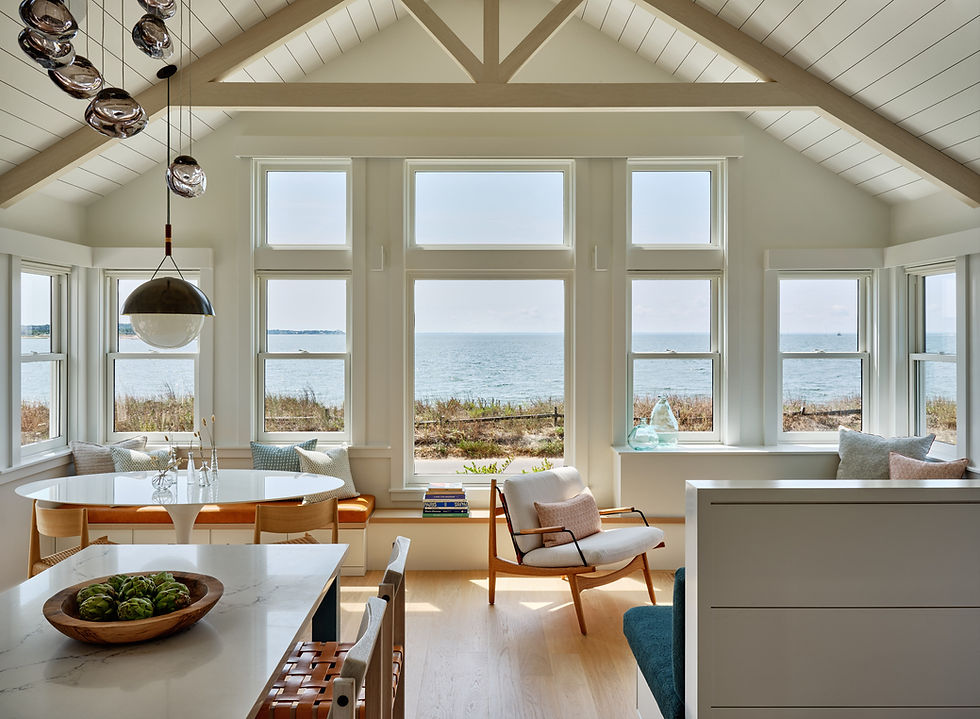
Interior Materials That Handle Humidity Well
Florida’s humidity can affect interior materials as well.
Certain materials tend to perform better in humid environments, including:
• engineered hardwood flooring
• porcelain tiles
• solid surface countertops
• moisture-resistant cabinetry materials
These options help maintain stability and appearance while minimizing the potential for warping or moisture damage. Careful material selection also helps ensure the home remains comfortable and durable for years to come.
Balancing Durability and Aesthetic Design
While durability is critical, it doesn’t mean sacrificing beauty or architectural expression. The most successful custom homes balance climate resilience with timeless design, using materials that complement the architectural style while still performing well in Florida’s environment.
At Apex Homes Florida, this balance is achieved through thoughtful collaboration between homeowners, designers, and trusted trade partners.
➡ Learn more about our approach here: Why Homeowners Choose Apex Homes Florida
FAQ Section
What materials last longest in Florida’s climate?
Materials such as brick, fiber cement siding, metal roofing, and porcelain tile tend to perform well in Florida’s humid and coastal environment because they resist moisture, insects, and sun exposure.
Are impact windows required in Florida?
In many coastal areas and hurricane-prone zones, impact-rated windows may be required by building codes. Even where not required, many homeowners choose them for additional storm protection and energy efficiency.
Does salt air affect building materials?
Yes. Homes located near the ocean can experience accelerated corrosion from salt air. This is why corrosion-resistant materials and hardware are often recommended for coastal homes.
What flooring works best in Florida humidity?
Porcelain tile, engineered hardwood, and certain luxury vinyl flooring products typically perform well in humid climates because they are less susceptible to expansion and moisture damage.
Planning a Custom Home in Northeast Florida?
Selecting the right materials is just one part of creating a successful custom home. Thoughtful planning early in the process can help homeowners make confident decisions about design, budget, and long-term durability.
To help guide homeowners through the process, we created a comprehensive planning resource based on decades of custom homebuilding experience.
Download the Essential Guide to Building Your Custom Home
Inside the guide you'll learn:
• how to evaluate land before building
• key budgeting considerations
• how the design-build process works
• what to expect during construction
Written by Tim Calderala, Licensed Florida Contractor (CRC #1335511), Owner of Apex Homes Florida.
Designed for Life. Built with Intention.


Comments